Creating a beautiful garden bed can transform an outdoor space, adding color, texture, and life to a property. Whether planting flowers, shrubs, or trees, the choices made in design and installation can significantly impact not only the aesthetic appeal but also the health and longevity of the plants. Homeowners often face a dilemma: should they take on the project themselves or hire professionals for garden installation? This decision hinges on various factors including budget, skill level, time commitment, and desired outcome.
Understanding Your Options
Before diving into the specifics of DIY versus professional installation, it is essential to grasp what each option entails. DIY gardening encourages creativity and personalization. It allows homeowners to tailor every aspect according to their vision. On the other hand, professional services come with expertise that can ensure optimal plant selection and placement based on local climate conditions and soil types.
The DIY Approach
Opting for a do-it-yourself garden bed offers numerous advantages. First among these is cost savings. By tackling this project independently, you avoid labor costs that can escalate quickly depending on the complexity of your design. Additionally, DIY projects foster outdoor planting a sense of accomplishment as you witness your hard work come to fruition.
However, the success of a DIY garden bed depends significantly on your gardening knowledge and skills. For example, understanding which plants thrive together can prevent issues such as overcrowding or competition for nutrients. Moreover, learning about seasonal planting cycles ensures that your chosen plants will flourish at the right times throughout the year.
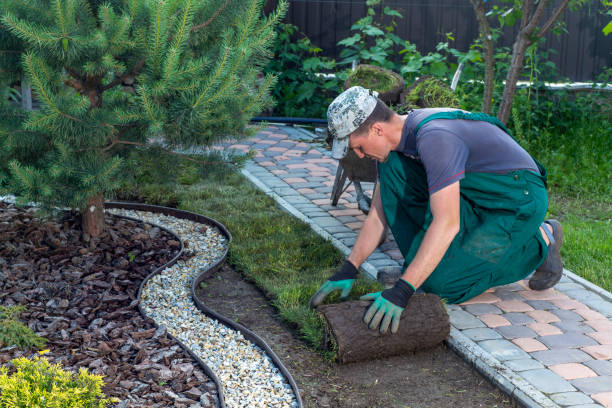
When embarking on a DIY project, gathering necessary tools is critical. Basic tools include shovels, rakes, hoes, trowels, and watering cans. If you're planning more complex designs involving raised beds or decorative features like edging stones or trellises, additional equipment may be required.
Seeking Professional Help
While DIY projects have their merits, hiring a professional landscape planting service can alleviate best practices for outdoor planting many concerns associated with creating a new garden bed. Professionals bring years of experience in plant selection tailored to your specific environment — factors like sunlight exposure and soil composition play crucial roles in plant health.
Furthermore, landscape designers understand how to create cohesive designs that enhance overall property aesthetics. They can provide insights into ornamental planting strategies that blend functionality with visual appeal. For instance, integrating native plants not only supports local ecosystems but also reduces maintenance needs by choosing species well-suited to local conditions.
The cost factor is often cited as a drawback when considering professional installation; however, it’s essential to weigh this against long-term benefits such as reduced maintenance costs and improved plant survival rates.
Key Considerations for Your Decision
Making an informed choice between DIY gardening and professional services involves evaluating several key factors:
Budget: How much are you willing to invest? A DIY approach may seem less expensive upfront but consider hidden costs like purchasing tools or potential mistakes that could lead to replanting.
Time: Assess how much time you realistically have available for planning and executing your garden bed project. Professionals often work efficiently due to experience.
Expertise: Do you have gardening experience? If not, hiring professionals might save you from common pitfalls associated with poor plant selection or placement.
Design Ambitions: Consider whether your vision requires intricate designs that necessitate specialized skills in landscaping or irrigation systems.
Maintenance: Think about ongoing maintenance needs post-installation—some arrangements require more attention than others.
Plant Selection Strategies
When building a beautiful garden bed—whether through DIY efforts or professional consultation—plant selection stands out as one of the most critical elements influencing long-term success and aesthetic appeal.
Choosing Plants Wisely
Selecting the right plants involves considering various factors such as climate zone compatibility and growth habits (spreading versus upright). Start by identifying which plants thrive in your area using resources like local extension services or gardening centers that specialize in regional flora.
Additionally, consider incorporating seasonal planting schemes that allow for blooms throughout different times of the year—this will create an ever-changing display rather than one confined to spring or summer alone.
Here are five popular flower selections known for their resilience:
- Daylilies: Hardy perennials that adapt well across diverse climates. Coneflowers (Echinacea): Attract pollinators while thriving in low-maintenance settings. Sedum: Succulents ideal for drought-tolerant gardens. Lavender: Offers fragrance alongside beautiful blooms; attracts beneficial insects. Black-eyed Susans: Bright yellow flowers that add cheerful color while being robust in varying soil conditions.
Incorporating some shrubs or trees can also enhance depth within your garden beds—evergreens provide year-round interest while deciduous varieties add seasonal flair with changing foliage colors.
Designing Your Garden Bed
The layout of your garden bed plays an integral role in its overall effectiveness and beauty. Thoughtful design considers not just aesthetics but functionality regarding accessibility for maintenance tasks like weeding or harvesting if applicable.
Layout Tips
Start by sketching out potential layouts—this gives you freedom during planning without committing immediately through digging into soil! Here are some aspects worth exploring during this phase:
- Height Variation: Arrange taller plants towards the back (if against a wall) or center (in island beds) while placing shorter varieties at the front side. Group Plantings: Grouping plants with similar water needs together helps optimize watering schedules while preventing over-saturation issues leading to root rot. Pathways: Incorporating pathways allows easy access within larger beds; gravel paths offer drainage while wood chips create natural barriers against weeds.
After finalizing plans based on personal preferences combined with functional needs outlined earlier—prepare yourself thoroughly before stepping into action!
Execution Phase
Once you've chosen whether to proceed with a DIY approach or engage professionals—and finalized plans—it’s time for execution! The first step generally involves soil preparation—a crucial process impacting future growth outcomes dramatically!
Soil Preparation Essentials
Healthy soil creates robust foundations where roots grow deep into nutrients needed throughout maturation stages:
Testing Soil Quality: Use testing kits available at local home improvement stores; this identifies pH levels along with nutrient deficiencies present naturally within existing soils.
Amending Soil: Based upon test results amend accordingly using organic matter like compost which enriches textures while enhancing drainage capabilities.
Tillage Practices: Utilize tillers if possible; turning over topsoil improves aeration levels allowing roots easier access toward oxygen & moisture needed further down below surface layers!
With these foundational elements set up properly—the excitement builds leading into actual planting phases!
Maintenance Matters
Regardless of whether you've taken on this task yourself or hired experts—the work doesn't end once seeds take root! Proper maintenance measures ensure longevity within all aspects involved:
Watering Techniques & Schedules Regular Weeding Practices Fertilization Needs Depending Upon Plant Types Seasonal Pruning Requirements Especially On Shrubs/Trees Pest Control Measures To Prevent Infestations Early OnBy remaining diligent throughout these stages post-installation—you’ll reap rewards from vibrant blooms & flourishing foliage year-round!
Creating stunning garden beds brings joy both visually & spiritually—whether opting down paths paved by hands-on sweat equity through diligent effort invested personally—or choosing expertise offered by seasoned professionals who share passion fostering nature’s wonders around us daily!